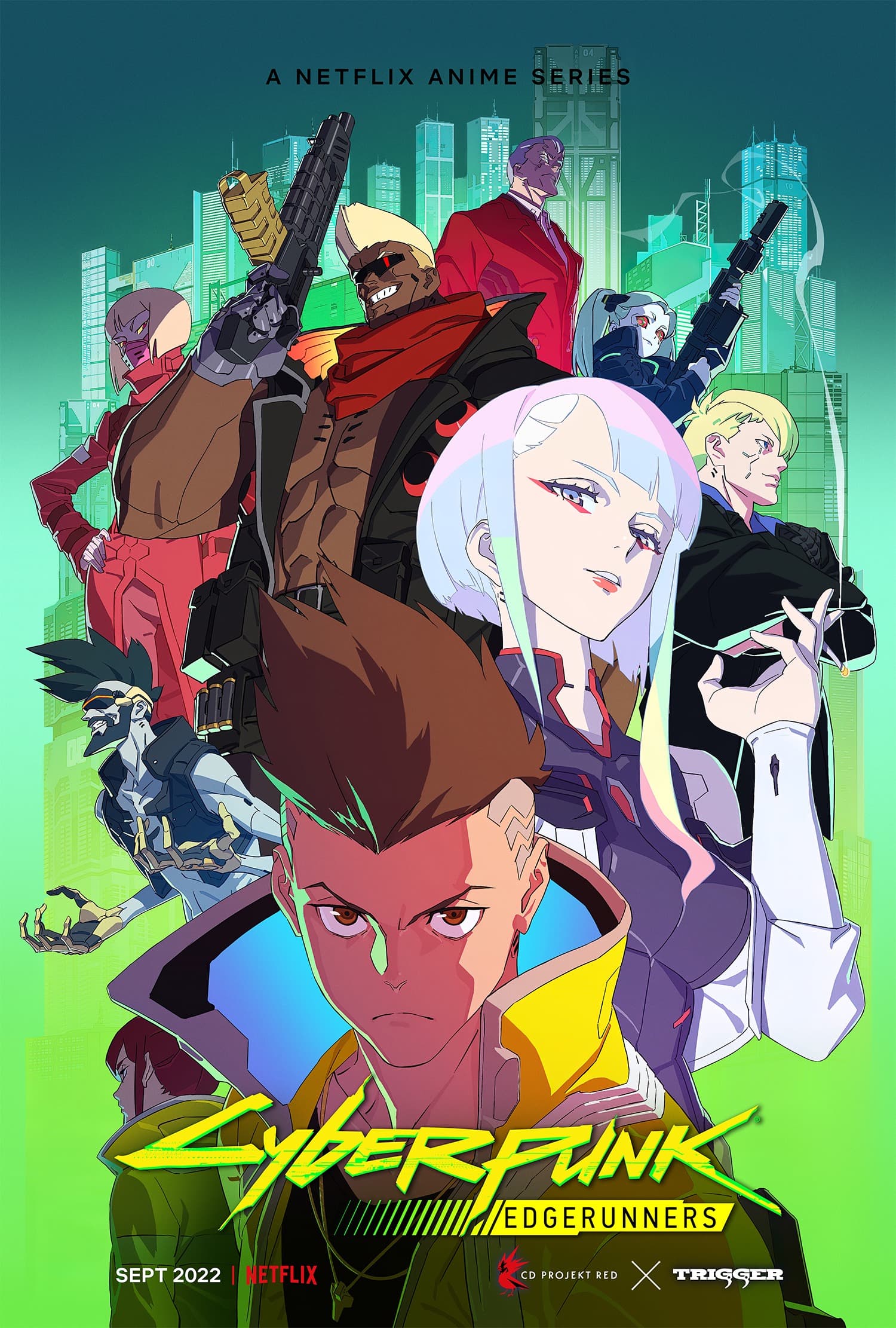
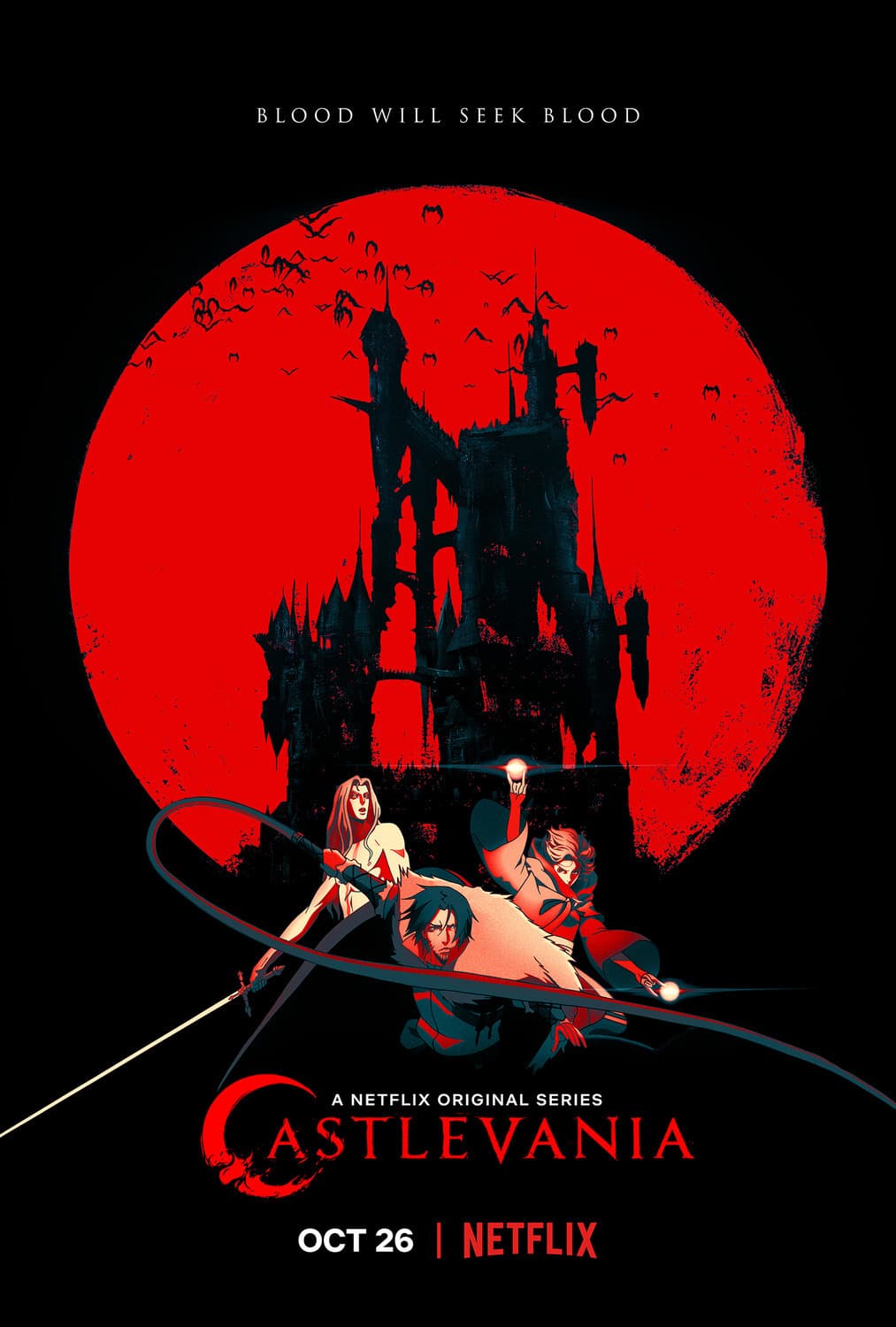
Animation is a form of visual storytelling that involves creating visual art and motion through the use of various techniques and technologies. In animation, images are manipulated to create the illusion of movement, bringing characters, objects, and environments to life. Animation can encompass a wide range of styles, themes, and intended audiences, making it a diverse and versatile form of storytelling.
The more specific flavours of Animation. Pick one to see every title tagged with it.
Computer animation is a technique in which computers are used to generate animated sequences digitally. Unlike traditional hand-drawn animation, which involves creating individual frames by hand, computer animation relies on digital processes to generate scenery, character models, lighting, and movement.
The adult animation subgenre is aimed at mature audiences, typically consisting of content that explores complex themes, mature storytelling, and may include explicit language, violence, sexual content, or other adult-oriented elements. Unlike traditional animation that is often associated with family-friendly or children's content, adult animation caters to grown-up viewers who appreciate more sophisticated and often darker narratives.
Hand-drawn animation, also known as traditional animation, is a technique in which each frame is created by hand. It involves the process of drawing individual images, known as frames or cels, by skilled animators and then photographing or filming them in sequence to create the illusion of motion.
Stop motion animation is a technique in which physical objects or puppets are manipulated and photographed one frame at a time to create the illusion of movement when played back at a regular speed. This process involves posing and photographing the objects, then moving them slightly and capturing another frame, and so on. When these frames are played in sequence, they create the illusion of fluid motion.