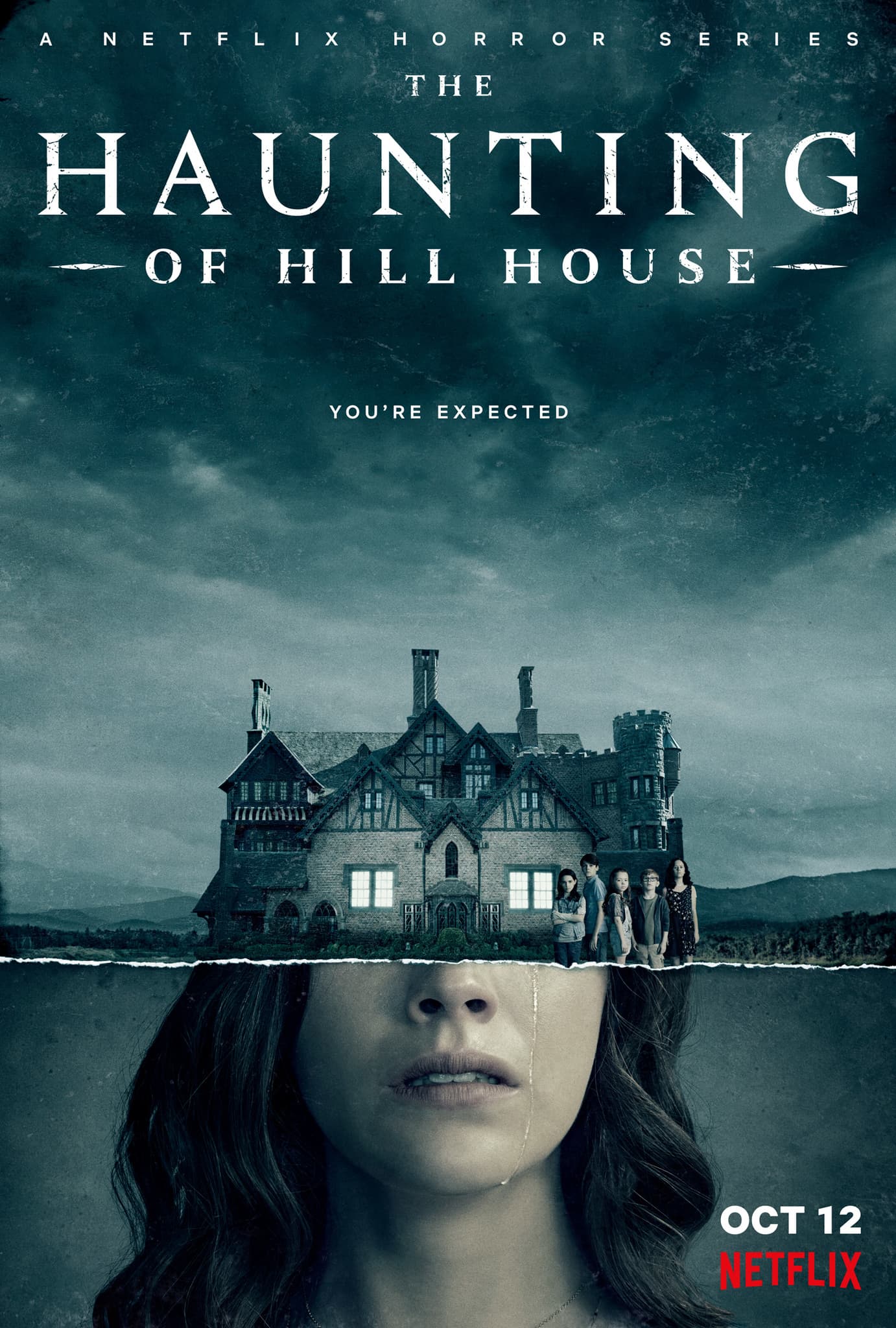
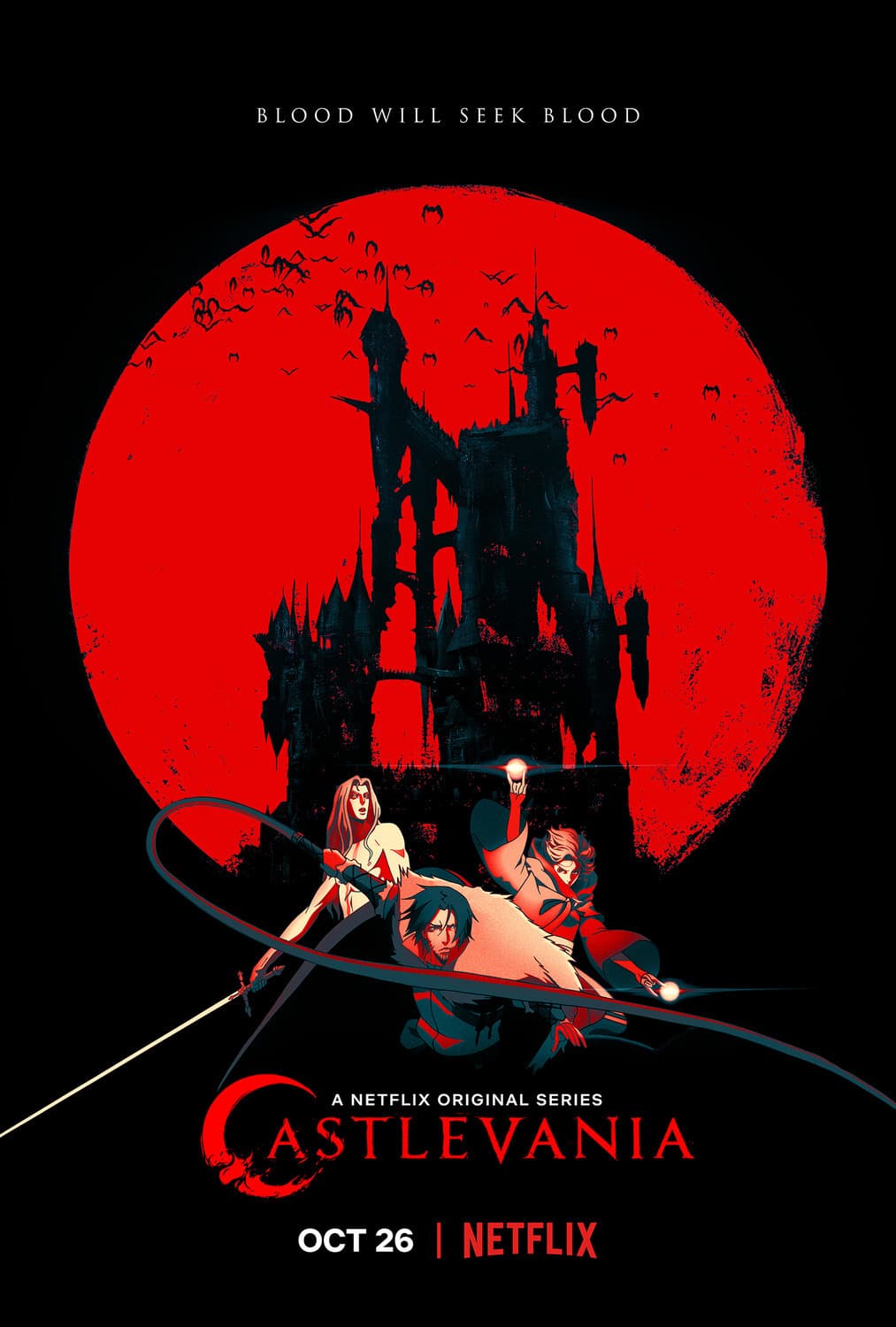
The horror genre features stories that aim to elicit fear, suspense, and a sense of dread in its audience. Horror stories often explore themes related to the unknown, the supernatural, and the macabre, and they frequently evoke strong emotional reactions such as anxiety, terror, and unease.
The more specific flavours of Horror. Pick one to see every title tagged with it.
The supernatural horror subgenre features paranormal and supernatural elements as sources of fear and terror. In supernatural horror stories, the focus is on entities, forces, or occurrences that go beyond the natural world and challenge the laws of reality, including ghosts, demons, witches, curses, haunted houses, possession, and other phenomena that are unexplainable.
The teen horror subgenre features young protagonists facing various forms of terror and supernatural threats. These stories are typically targeted toward a young adult audience and revolve around the traditional experiences and challenges of teenagers as they confront paranormal occurrences, monsters, killers, or other horror elements.
The psychological horror subgenre features psychological tension, fear, and suspense to evoke feelings of dread and unease in the audience. Rather than relying solely on graphic violence or jump scares, psychological horror focuses on the psychological and emotional experiences of characters, often exploring their inner fears, anxieties, and perceptions.
The zombie horror subgenre features zombies, reanimated corpses, as central figures of fear and terror. The subgenre often explores themes of survival, societal breakdown, and can serve as a metaphor for societal anxieties, consumerism, conformity, and the dehumanizing effects of mass culture.
The monster horror subgenre features the portrayal of monstrous creatures or entities as central elements of fear and terror. In monster horror stories, the creatures themselves are often the primary sources of danger, and the plot revolves around characters' attempts to survive encounters with these terrifying beings.
The splatter horror subgenre, features extreme and graphic depictions of violence, gore, and bloodshed, showcasing visceral and shocking visual effects. Splatter stories are known for their over-the-top and often exaggerated scenes of bodily mutilation, dismemberment, and other gruesome forms of violence.
The vampire horror subgenre features the depiction of vampires, supernatural creatures who sustain themselves by consuming the blood of the living, as central figures of fear and fascination. Vampire horror can use vampirism as a metaphor for various themes, such as addiction, the fear of death, and the loss of humanity.
The body horror subgenre features the physical and psychological transformation, deformation, or degradation of the human body. In body horror stories, the human body itself becomes a source of fear, anxiety, and disgust, often through graphic and disturbing depictions of bodily changes, mutilation, or alteration.
The folk horror subgenre features themes of rural folklore, pagan beliefs, and the supernatural or uncanny elements associated with rural or isolated settings. Folk horror often explores the clash between ancient, often pre-Christian traditions and modern society, blurring the line between the natural and the supernatural.
The found footage horror subgenre features the story as if it were recorded footage discovered after the events have occurred. The footage is often presented in a raw, unedited format, giving the impression that the events depicted are real and unscripted.
The werewolf horror subgenre features the depiction of werewolves as central figures of fear and terror. These mythical creatures transform from human to wolf-like forms. Werewolf horror stories typically explore the consequences of these transformations, as well as the violence and chaos that accompany them.
The witch horror subgenre features witches and witchcraft as central elements of fear and terror. These stories explore themes related to magic, the occult, and the clash between the supernatural and the mundane. Witch horror can explore themes of historical and societal persecution of alleged witches, often drawing on real-world witch trials and witch hunts.
The slasher horror subgenre features a distinctive formula of violence, suspense, and a masked or anonymous killer who systematically stalks and murders victims. Slasher stories are known for their intense and graphic scenes of violence, particularly focused on the act of murder, and they often incorporate elements of mystery and survival.
The b-horror subgenre features modest production values, simple plots, and reliance on certain horror tropes and clichés. The stories are often low-budget, low-quality, and sometimes intentionally campy or cheesy. The "B" designation originally referred to the second feature in a double feature presentation, with the "A" film being the main attraction. Over time, "B-movies" became associated with low-budget and less prestigious productions.